The sauna and the steam room are the two spa areas guests confuse most often. Both work with heat, but their principles and the way they feel are quite different.
The core difference: humidity
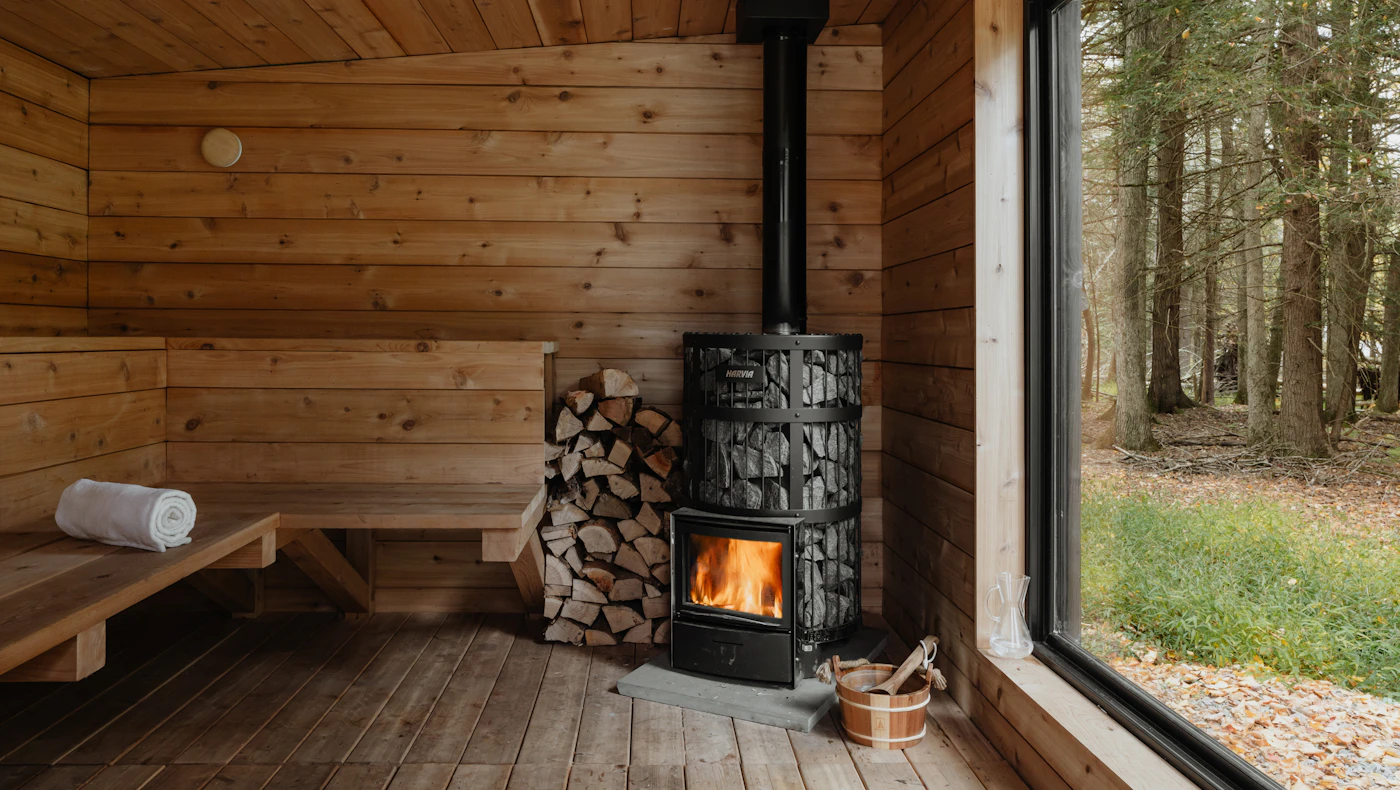
A sauna is a dry environment. Temperatures usually sit between 80–90 °C, but humidity is low (10–20%). That is why the air feels “light” despite the high temperature.
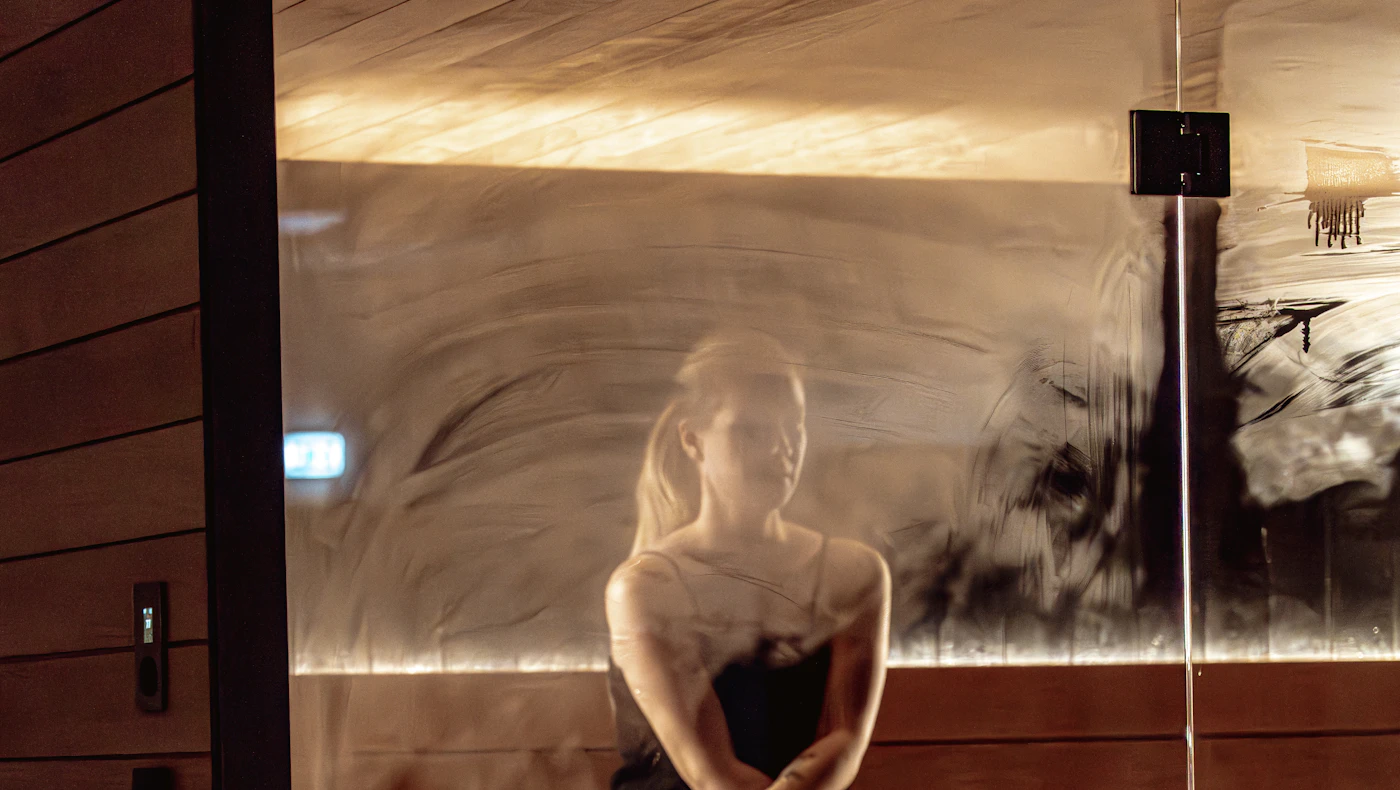
The steam room is the opposite. The temperature stays around 43–46 °C, but humidity is close to 100%. Despite the lower temperature, the environment feels far “heavier” — a sensation created by the moisture.
Materials and atmosphere
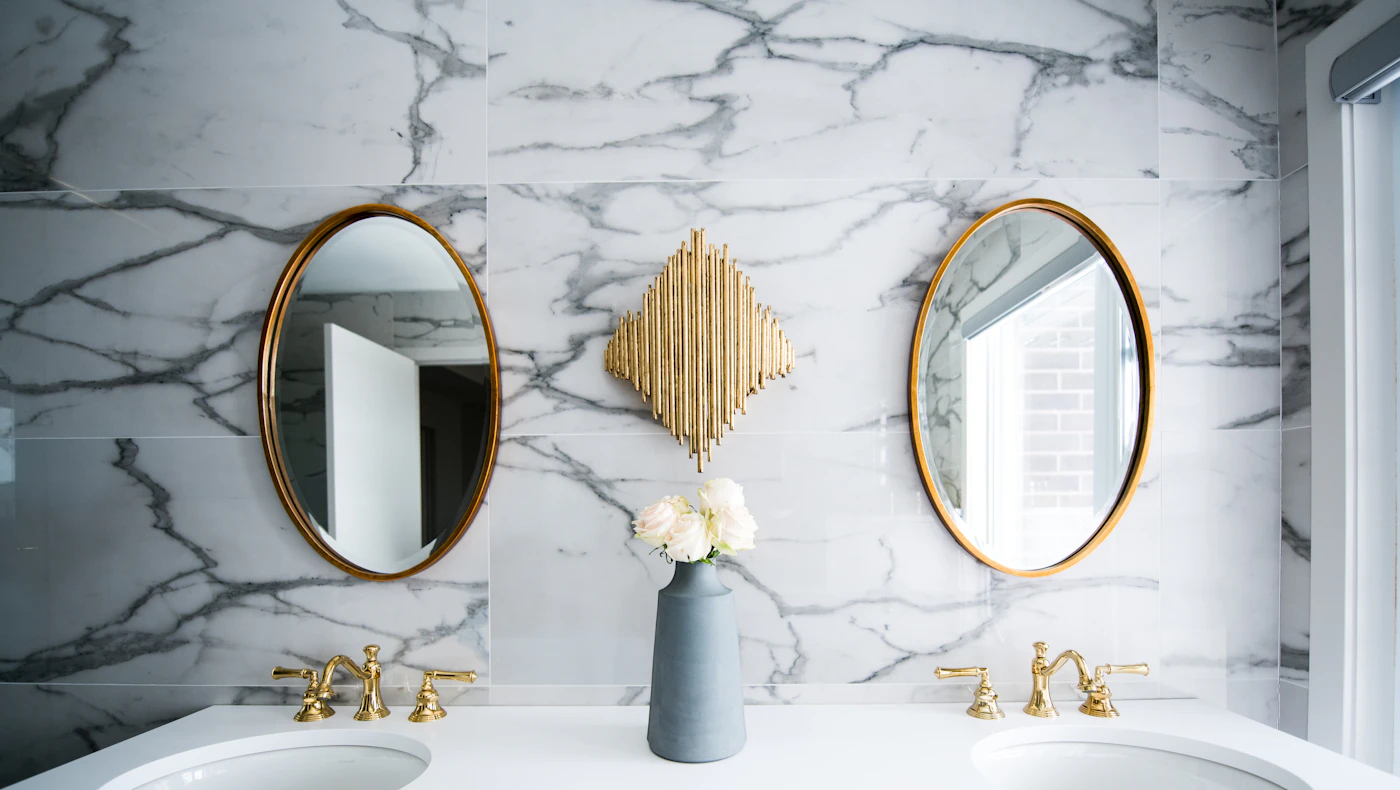
Saunas are usually lined with woods such as cedar or spruce, and the scent of the wood is a distinct part of the experience. Steam rooms are finished in marble or ceramic, because the steam needs to condense on the surface — wood is not used.
Which suits whom?
The sauna suits guests who enjoy dry heat and feel comfortable at higher temperatures. The steam room is chosen by those who prefer humidity and find the breathing sensation refreshing. Aromatic oils, especially eucalyptus, are far more noticeable in a steam room.
How does the hammam relate?
The Turkish bath actually works on a principle closer to the steam room: a humid environment at a moderate temperature. The difference is that the treatments — the scrub and the foam — take place on heated marble.
How to use them
We recommend sessions of 10–15 minutes in both areas, cooling off and drinking water in between. If you feel dizzy, leave immediately and rest somewhere cool.
If you have blood pressure issues, a heart condition or are pregnant, consult your doctor before using the sauna or steam room.
What order works best?
A common preference is: warm up in the sauna or steam room, then the hammam ritual (scrub and foam), and finally massage and rest. This sequence prepares the body gradually.